
Choosing Healthy Dog Food for Your Pet: Healthy Pet Nutrition Tips

When it comes to caring for your furry friend, one of the most important decisions you make is what to feed them. Choosing the right dog food is not just about filling their bowl; it’s about giving them the nutrition they need to thrive. I’ve learned that many dog owners don’t realize how much the wrong food can affect their pet’s health. That’s why I want to share some friendly, practical advice to help you make the best choices for your dog’s diet.
Feeding your dog well is a powerful way to protect their health and happiness. Let’s explore how you can spot good dog food, understand what ingredients matter, and even make your own meals if you want to take control of your dog’s nutrition.
Understanding Healthy Pet Nutrition Tips
Nutrition is the foundation of your dog’s well-being. Just like us, dogs need a balanced diet to stay energetic, maintain a healthy weight, and avoid illnesses. But what does a balanced diet look like for dogs? It’s a mix of proteins, fats, carbohydrates, vitamins, and minerals.
Here are some key points to keep in mind:
Protein is essential: Dogs are primarily carnivores, so they need high-quality protein from meat, fish, or eggs.
Fats provide energy: Healthy fats like omega-3 and omega-6 support skin, coat, and brain health.
Carbohydrates offer fiber and energy: Whole grains and vegetables are good sources.
Vitamins and minerals: These support immune function, bone health, and more.
When you read dog food labels, look for named meat sources (like chicken or beef) as the first ingredient. Avoid foods with vague terms like “meat by-products” or too many fillers such as corn or wheat. These don’t provide the nutrition your dog needs.
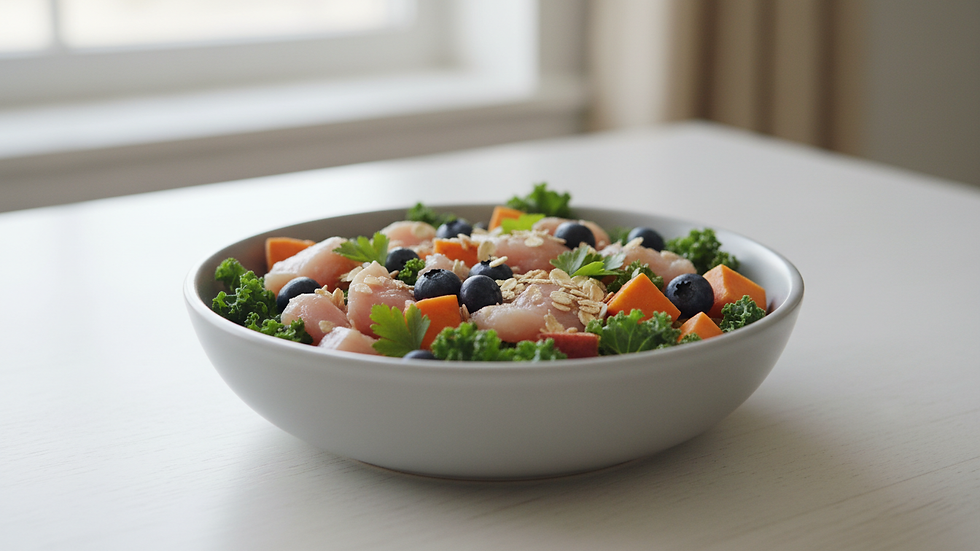
If you want to go a step further, consider incorporating fresh ingredients into your dog’s meals. Cooking for your dog can be rewarding and ensures you know exactly what they’re eating.
How to Choose the Best Dog Food for Your Pet
Choosing dog food can feel overwhelming with so many options on the market. Here’s a simple guide to help you make confident choices:
Know your dog’s needs: Age, size, breed, and health conditions all affect dietary requirements.
Check the ingredient list: Look for whole foods and avoid artificial additives.
Consider the type of food: Dry kibble, wet food, raw diets, or homemade meals all have pros and cons.
Watch for allergies or sensitivities: If your dog has digestive issues or skin problems, a special diet might be necessary.
Consult your vet: They can recommend foods tailored to your dog’s health.
Remember, the best food is one that your dog enjoys and digests well. Sometimes, it takes a bit of trial and error to find the perfect match.
One important tip: always transition your dog slowly to new food over 7-10 days to avoid stomach upset.
What dog food is good for hyperlipidemia?
Hyperlipidemia is a condition where your dog has high levels of fats in their blood. It can lead to serious health problems if not managed properly. If your dog has been diagnosed with hyperlipidemia, diet plays a crucial role in managing it.
Here’s what to look for in dog food for hyperlipidemia:
Low fat content: Choose foods with reduced fat to help lower blood lipid levels.
High fiber: Fiber helps reduce fat absorption and supports digestion.
Omega-3 fatty acids: These healthy fats can help reduce inflammation and improve lipid profiles.
Quality protein: Lean protein sources like chicken or fish are preferable.
Avoid foods high in saturated fats or those with excessive fillers. Your vet might also recommend prescription diets designed specifically for this condition.
Feeding your dog the right food can make a big difference in managing hyperlipidemia and improving their quality of life.

Making Your Own Dog Food: A Loving Option
If you want to take full control of your dog’s diet, making your own dog food can be a wonderful choice. It allows you to use fresh, wholesome ingredients and avoid preservatives or fillers.
Here are some tips to get started:
Consult a vet or pet nutritionist: They can help you create balanced recipes.
Include protein, carbs, and veggies: For example, cooked chicken, brown rice, and steamed carrots.
Avoid toxic foods: Never feed your dog onions, garlic, chocolate, grapes, or anything toxic.
Use supplements if needed: Dogs may need added vitamins or minerals to meet all their needs.
Prepare in batches: Cook and freeze portions to save time.
Making your own dog food is a labor of love. It’s a way to show your dog you care deeply about their health and happiness.
Why You Should Act Now to Protect Your Dog’s Health
Many dog owners don’t realize how much their pet’s food affects their long-term health. Poor nutrition can lead to obesity, allergies, digestive problems, and even chronic diseases. But the good news is, you have the power to change that.
By choosing the right food, you’re giving your dog a better chance at a long, joyful life. It’s not just about feeding them; it’s about nourishing them.
If you haven’t already, take a moment to review what your dog is eating. Look at the ingredients, ask questions, and don’t hesitate to seek professional advice. Your dog depends on you to make the best choices.
Remember, feeding your dog well is one of the kindest things you can do. It’s a daily act of love that pays off in wagging tails and happy hearts.
If you want to explore options, consider checking out Healthy Dog food to find nutritious choices that support your dog’s well-being.
Choosing healthy food for your dog is a journey, but it’s one worth taking. With a little knowledge and care, you can make sure your pet enjoys every meal and stays healthy for years to come. Your dog will thank you with every joyful bark and playful wag.


Comments