
Designing a Balanced Diet for Your Dog
- Joseph Wharram

- Jun 9
- 4 min read
Feeding your dog well is one of the most loving things you can do. But have you ever stopped to think about what exactly goes into a balanced diet for dogs? It’s not just about filling their bowl with food. It’s about giving them the right nutrients to keep their tails wagging and their bodies healthy. Today, I want to walk you through how to design a balanced diet for your dog that supports their health, happiness, and longevity.
Why a Balanced Diet for Dogs Matters
You might think that any dog food off the shelf will do. But the truth is, many commercial diets don’t meet all the nutritional needs of your furry friend. Dogs need a mix of proteins, fats, carbohydrates, vitamins, and minerals to thrive. Without the right balance, they can develop health problems like obesity, allergies, or even chronic diseases.
When you take the time to understand what your dog needs, you’re giving them a gift that lasts a lifetime. A balanced diet helps maintain a shiny coat, strong muscles, healthy teeth, and a robust immune system. It also supports their energy levels and mood, so they can enjoy every moment with you.
Here’s a simple breakdown of what a balanced diet for dogs should include:
Proteins: Essential for muscle repair and growth. Think chicken, beef, fish, or eggs.
Fats: Provide energy and support brain health. Sources include fish oil and flaxseed.
Carbohydrates: Supply energy and fiber. Brown rice, sweet potatoes, and oats are great options.
Vitamins and Minerals: Crucial for overall health. These come from vegetables, fruits, and supplements if needed.
Water: Never forget fresh water. Hydration is key to every bodily function.

How to Create a Balanced Diet for Dogs at Home
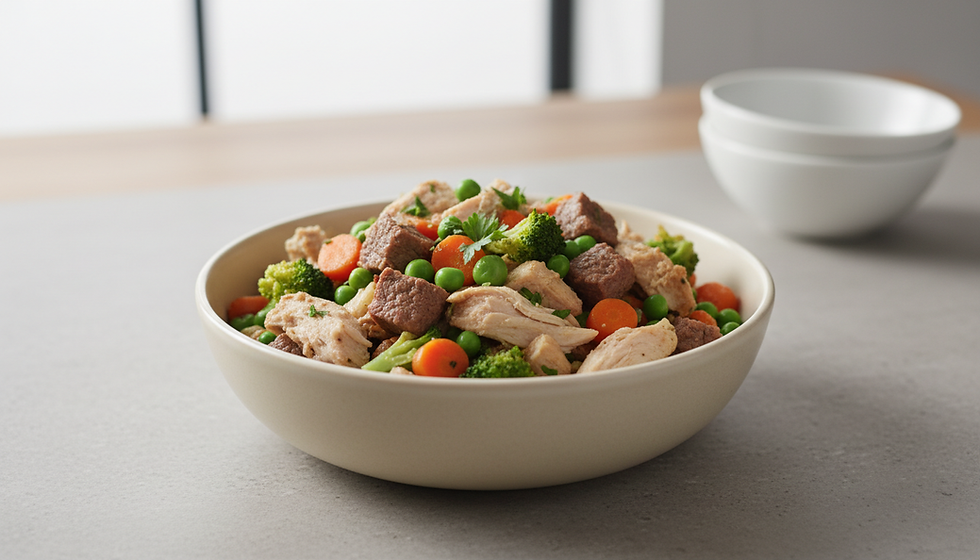
Making your own dog food might sound intimidating, but it’s easier than you think. Plus, it gives you full control over what your dog eats. Here’s how you can start:
Consult Your Vet: Before changing your dog’s diet, talk to your vet. They can help you understand your dog’s specific needs based on age, breed, weight, and health.
Choose Quality Ingredients: Use fresh, whole foods. Avoid processed items with fillers or artificial additives.
Balance the Macronutrients: Aim for about 40% protein, 50% vegetables and carbs, and 10% fats. This ratio can vary depending on your dog’s activity level and health.
Add Supplements if Needed: Sometimes, homemade diets lack certain nutrients like calcium or omega-3 fatty acids. Your vet can recommend safe supplements.
Prepare and Store Safely: Cook meats thoroughly to avoid bacteria. Store meals in airtight containers and refrigerate or freeze portions.
Remember, variety is important. Rotate proteins and vegetables to keep meals interesting and nutritionally diverse. For example, one day you might serve chicken with sweet potatoes and green beans, and the next day fish with brown rice and carrots.
If you want to dive deeper into the science and recipes, check out this Balanced Dog Diet resource that offers detailed guidance and meal plans.
How do dogs say "I love you"?
You might wonder how your dog shows their love for you. It’s not with words, but with actions and body language. Understanding these signs can deepen your bond and help you respond to their needs better.
Tail Wagging: A relaxed, wagging tail usually means your dog is happy and comfortable.
Licking: Dogs often lick their owners as a sign of affection and trust.
Following You Around: If your dog sticks close, it’s their way of saying they want to be near you.
Eye Contact: Soft, gentle eye contact is a sign of love and connection.
Leaning or Cuddling: When your dog leans against you or snuggles up, they’re showing they feel safe and loved.
By feeding your dog a balanced diet, you’re also supporting their emotional well-being. A healthy dog is a happy dog, and happy dogs express their love more freely.

Common Mistakes to Avoid When Feeding Your Dog
Even with the best intentions, it’s easy to make mistakes that can harm your dog’s health. Here are some pitfalls to watch out for:
Overfeeding: Extra treats and table scraps add up quickly. Overfeeding leads to obesity, which can cause joint problems and shorten your dog’s life.
Ignoring Food Allergies: Some dogs are sensitive to certain ingredients like wheat, corn, or chicken. Watch for signs like itching, digestive upset, or ear infections.
Relying Only on Dry Kibble: While convenient, kibble alone may not provide all the nutrients your dog needs. Mixing in fresh foods can improve their diet.
Skipping Regular Vet Checkups: Nutritional needs change as dogs age. Regular vet visits help you adjust their diet accordingly.
Not Providing Enough Water: Always have fresh water available. Dehydration can cause serious health issues.
By avoiding these mistakes, you’re taking a big step toward ensuring your dog’s diet truly supports their health.
Tips for Transitioning Your Dog to a New Diet
Switching your dog’s food suddenly can upset their stomach. To make the change smooth and stress-free, follow these tips:
Go Slow: Mix a small amount of the new food with the old food. Gradually increase the new food over 7-10 days.
Watch for Reactions: Keep an eye on your dog’s digestion and energy levels. If you notice vomiting, diarrhea, or lethargy, slow down the transition or consult your vet.
Keep Mealtime Consistent: Feed your dog at the same times each day to help their digestive system adjust.
Stay Positive: Offer praise and affection during mealtime to create a positive association with the new food.
Changing your dog’s diet is a big step, but with patience and care, it can lead to a healthier, happier companion.
Feeding your dog a balanced diet is one of the most important ways to show your love. It’s about more than just food - it’s about giving your dog the best chance at a long, joyful life. By learning what goes into a balanced diet, avoiding common mistakes, and making thoughtful choices, you’re protecting your dog’s health in ways many owners don’t even realize.
Take the time today to look closely at what your dog is eating. You might be surprised by what you discover. And remember, every small change you make can have a big impact on your dog’s well-being. Your dog depends on you - and you’re more than capable of giving them the nutrition they deserve.


Comments