
Essential Components of a Balanced Pet Nutrition for Your Dog
- Joseph Wharram

- Jul 2
- 4 min read
Feeding your dog well is one of the most loving things you can do. But have you ever stopped to think about what exactly makes up a balanced diet for your furry friend? It’s not just about filling their bowl with food. It’s about giving them the right nutrients in the right amounts to keep them healthy, happy, and full of energy. Today, I want to walk you through the essential components of a balanced dog diet and help you see why this matters so much.
When you understand what your dog truly needs, you can make better choices. You can protect them from hidden health problems that many dog owners don’t even realize exist. Let’s dive in and explore how you can take charge of your dog’s nutrition with confidence.
Why Balanced Pet Nutrition Matters More Than You Think
Balanced pet nutrition is the foundation of your dog’s well-being. Just like us, dogs need a variety of nutrients to thrive. Without the right balance, they can develop issues like obesity, allergies, digestive problems, or even more serious conditions.
Think about it this way: your dog’s diet is their fuel. If you put low-quality fuel in a car, it won’t run smoothly. The same goes for your dog’s body. When you provide balanced nutrition, you’re giving them the best chance to live a long, active life.
Here’s what balanced pet nutrition means in practice:
Proteins for muscle growth and repair
Fats for energy and healthy skin
Carbohydrates for fuel and fiber
Vitamins and minerals for overall health
Water to keep everything running smoothly
Each of these components plays a unique role. Missing even one can cause problems down the road. That’s why it’s so important to understand what goes into your dog’s meals.

The Essential Components of a Balanced Dog Diet
Let’s break down the key ingredients your dog’s diet should include. This will help you see what to look for when choosing or preparing food.
1. Protein - The Building Block
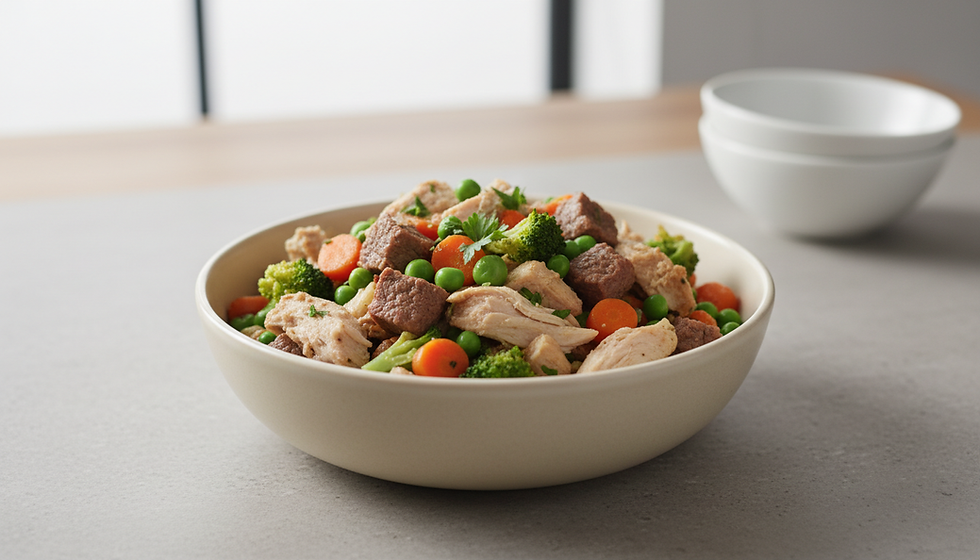
Protein is crucial for your dog’s muscles, skin, and immune system. Dogs need high-quality protein sources like chicken, beef, fish, or eggs. If you’re making homemade meals, aim for lean meats and avoid fillers.
Tip: Look for dog foods where the first ingredient is a named meat source. Avoid vague terms like “meat by-products.”
2. Healthy Fats - Energy and Shine
Fats provide energy and help keep your dog’s coat shiny and skin healthy. Omega-3 and Omega-6 fatty acids are especially important. You can find these in fish oils, flaxseed, and certain plant oils.
Tip: Adding a small amount of fish oil to your dog’s diet can improve their coat and reduce inflammation.
3. Carbohydrates - Fuel and Fiber
Carbs give your dog energy and help with digestion. Good sources include sweet potatoes, brown rice, and oats. Fiber from these carbs also supports healthy bowel movements.
Tip: Avoid foods with too many fillers like corn or wheat, which can cause allergies or digestive upset.
4. Vitamins and Minerals - The Tiny Helpers
Vitamins and minerals support everything from bone health to immune function. Dogs need a variety of these, including calcium, phosphorus, vitamin A, and vitamin E.
Tip: If you prepare homemade meals, consider adding a canine-specific vitamin supplement to cover all bases.
5. Water - The Essential Hydrator
Never underestimate the power of fresh water. It’s vital for digestion, temperature regulation, and overall health.
Tip: Always keep clean water available and encourage your dog to drink regularly.
What Dog Food Is Good for Atopic Dermatitis?
Atopic dermatitis is a common skin condition in dogs that causes itching, redness, and discomfort. Diet can play a big role in managing this condition.
Certain foods can trigger or worsen atopic dermatitis, so choosing the right diet is key. Hypoallergenic or limited-ingredient diets often help reduce flare-ups. These diets avoid common allergens like beef, dairy, wheat, and soy.
Here’s what to look for:
Novel protein sources: Such as duck, venison, or rabbit
Omega-3 fatty acids: To reduce inflammation and soothe skin
Limited ingredients: To identify and avoid allergens
If your dog suffers from atopic dermatitis, talk to your vet about trying a special diet. You might also consider homemade meals tailored to avoid allergens.

How to Start Making Your Own Balanced Dog Food
If you’re inspired to take control of your dog’s diet by making homemade meals, that’s fantastic! It’s a wonderful way to ensure your dog gets exactly what they need.
Here’s a simple plan to get started:
Consult your vet or a pet nutritionist. They can help you create a balanced recipe tailored to your dog’s age, size, and health.
Choose high-quality ingredients. Fresh meats, vegetables, and grains are best.
Balance the nutrients. Use a mix of protein, fats, carbs, and supplements as needed.
Prepare meals in batches. Store portions in the fridge or freezer for convenience.
Monitor your dog’s health. Watch for changes in energy, coat, and digestion. Adjust the diet as needed.
Remember, homemade dog food requires careful planning. But the rewards are huge - a healthier, happier dog who thrives on your love and care.
Taking Action: Protect Your Dog’s Health Today
Now that you know the essential components of a balanced dog diet, it’s time to act. Don’t wait until your dog shows signs of illness or discomfort. Prevention is always better than cure.
Review your dog’s current food. Is it balanced? Does it contain quality ingredients?
Dog Nutrition Knowledge is power.
Try small changes. Add fresh ingredients or supplements gradually.
Watch your dog closely. Notice improvements or any issues.
Seek professional advice. Your vet or a pet nutritionist can guide you.
By taking these steps, you’re not just feeding your dog - you’re investing in their future. You’re giving them the best chance to live a joyful, energetic life by your side.
Feeding your dog well is a gift that keeps on giving. Let’s make sure every meal counts.
Thank you for joining me on this journey to better dog nutrition. Your dog will thank you with every wag of their tail!


Comments