
Essential Guide to Canine Dietary Essentials
- Joseph Wharram

- Jul 31
- 4 min read
Feeding your dog well is one of the most loving things you can do. I know how much you want your furry friend to be happy and healthy. But sometimes, the world of dog food and nutrition feels confusing. There are so many options, so many opinions, and so many ingredients you might not even recognize. That’s why I’m here to walk you through the essentials of canine dietary essentials. Together, we’ll uncover what your dog really needs to thrive.
When you understand the basics, you can make better choices. You can protect your dog from hidden dangers in their diet. And you can even learn how to prepare homemade meals that are both nutritious and delicious. Let’s dive in and explore how to give your dog the best fuel for a long, joyful life.
Understanding Canine Dietary Essentials
Dogs need a balanced diet just like we do. But their nutritional needs are unique. They require a mix of proteins, fats, carbohydrates, vitamins, and minerals. Each plays a vital role in keeping their body strong and their mind sharp.
Proteins are the building blocks of muscles, skin, and organs. Good sources include chicken, beef, fish, and eggs.
Fats provide energy and help absorb vitamins. Omega-3 and Omega-6 fatty acids are especially important for skin and coat health.
Carbohydrates supply energy and fiber. Whole grains, vegetables, and fruits are great options.
Vitamins and minerals support everything from bone growth to immune function.
It’s important to remember that dogs are not just small humans. Their digestive systems are designed differently. For example, they digest protein and fat more efficiently than carbohydrates. So, a diet too heavy in grains might not be ideal.
When you shop for dog food or prepare meals at home, look for ingredients that match these essentials. Avoid fillers like corn, wheat, and soy, which can cause allergies or digestive upset in some dogs.
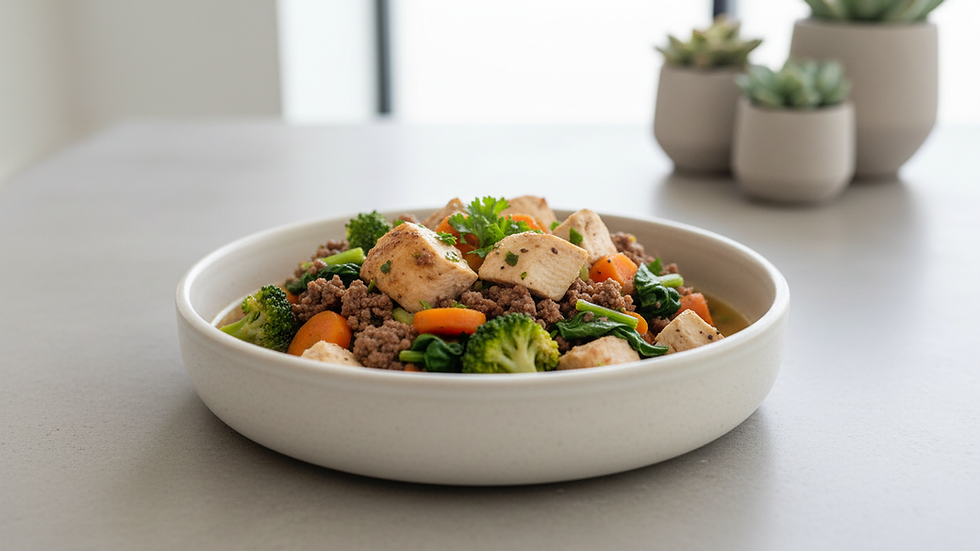
How to Choose the Right Food for Your Dog’s Needs
Every dog is unique. Their age, size, breed, activity level, and health conditions all influence what they should eat. Puppies need more calories and nutrients to grow. Senior dogs might require fewer calories but more joint support. Active dogs burn more energy and need a diet rich in protein and fat.
Here are some tips to help you choose the right food:
Read the label carefully. Look for named meat sources as the first ingredient.
Check for AAFCO approval. This means the food meets minimum nutritional standards.
Consider your dog’s allergies or sensitivities. Some dogs do better on grain-free or limited ingredient diets.
Consult your vet. They can recommend foods tailored to your dog’s health.
Watch your dog’s reaction. If they have digestive issues, itching, or low energy, the food might not be right.
Remember, switching foods should be done gradually over 7-10 days to avoid stomach upset. Mix increasing amounts of the new food with the old until the transition is complete.
What dog food is good for atopic dermatitis?
Atopic dermatitis is a common skin condition in dogs that causes itching, redness, and discomfort. Diet plays a crucial role in managing this condition. Certain foods can trigger or worsen symptoms, while others can help soothe the skin and reduce inflammation.
When choosing food for a dog with atopic dermatitis, consider these points:
Hypoallergenic diets: These often contain novel protein sources like duck, venison, or fish that your dog hasn’t been exposed to before.
Omega-3 fatty acids: Found in fish oil and flaxseed, these fats help reduce inflammation and improve skin health.
Limited ingredient diets: Simplifying the diet can help identify and eliminate allergens.
Avoid common allergens: Ingredients like beef, dairy, wheat, and soy are frequent culprits.
You might also want to add supplements like vitamin E or probiotics, but always check with your vet first. Feeding your dog the right food can make a huge difference in their comfort and quality of life.
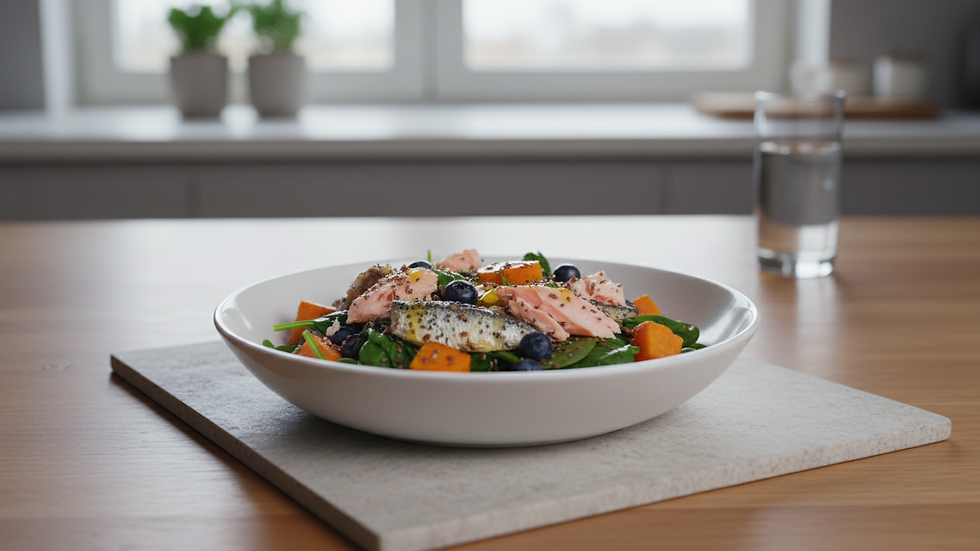
Making Your Own Dog Food: Tips and Tricks
If you’re interested in preparing homemade meals for your dog, that’s fantastic! It’s a wonderful way to control exactly what goes into their bowl. But it’s important to do it right to avoid nutritional imbalances.
Here are some practical tips:
Balance is key. Include a good source of protein, some healthy fats, and a variety of vegetables.
Cook meats thoroughly. Raw meat can carry bacteria that might harm your dog.
Avoid toxic foods. Never feed your dog onions, garlic, grapes, chocolate, or anything with artificial sweeteners.
Use supplements wisely. Dogs need calcium, so add crushed eggshells or a supplement recommended by your vet.
Keep portions appropriate. Overfeeding can lead to obesity, which causes many health problems.
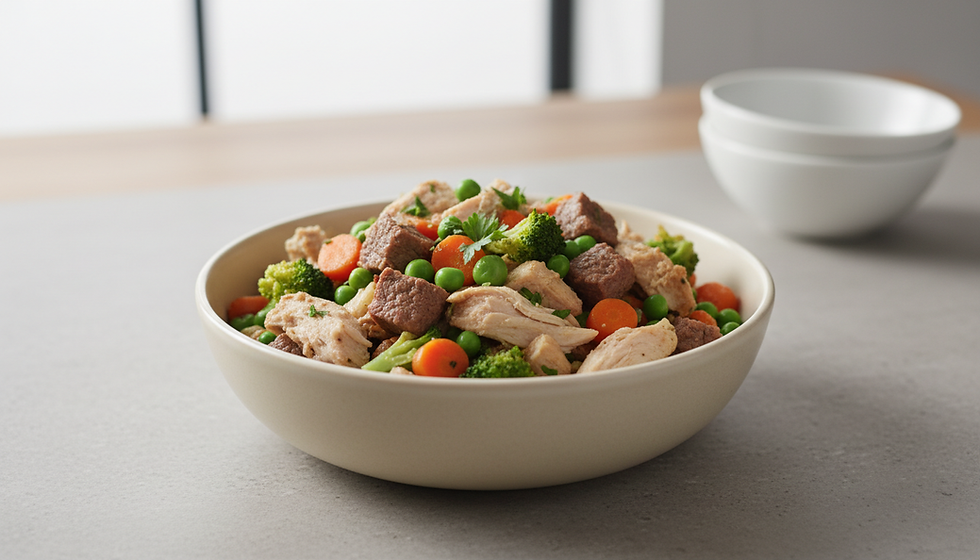
A simple recipe to start with might be boiled chicken, sweet potatoes, and green beans. You can gradually add other ingredients as you learn more about your dog’s preferences and needs.
Spotting the Signs of Poor Nutrition
Sometimes, it’s hard to tell if your dog’s diet is lacking. But there are signs you can watch for that indicate a problem:
Dull or brittle coat
Excessive shedding or hair loss
Itchy, red, or flaky skin
Low energy or lethargy
Digestive issues like diarrhea or constipation
Weight loss or gain without explanation
If you notice any of these, it’s time to take a closer look at what your dog is eating. You might need to change their food, add supplements, or consult your vet for advice.
Taking action early can prevent more serious health issues down the road. Your dog depends on you to keep them healthy and happy.
Taking the Next Step for Your Dog’s Health
Now that you know the essentials of canine dietary essentials, you’re better equipped to make informed choices. Remember, feeding your dog well is a powerful way to show your love. It protects them from hidden dangers and supports their overall well-being.
If you want to learn more about Dog Nutrition, I encourage you to explore trusted resources and talk to professionals. Your dog’s health is worth the effort.
Start by reviewing your dog’s current diet today. Look for ways to improve it, whether by switching foods, adding supplements, or trying homemade meals. Your dog will thank you with wagging tails and joyful eyes.
Together, we can make sure our dogs live their best lives, full of energy, comfort, and happiness.


Comments