
Planning a Balanced Dog Diet: A Guide to Nourishing Your Best Friend

Feeding your dog well is one of the most loving things you can do. But it’s not always easy to know what a balanced diet for your dog really means. You want to give your furry friend the best nutrition possible, but the world of dog food can be confusing. I’ve been there, and I want to help you understand how to plan a healthy, balanced diet that keeps your dog happy and thriving.
When you plan your dog’s meals thoughtfully, you’re protecting their health in ways you might not even realize. Many dog owners don’t know the scale of nutritional problems that can quietly affect their pets. Let’s explore how you can take control and make sure your dog’s diet supports their well-being every day.
Planning a Balanced Dog Diet: What You Need to Know
Planning a balanced dog diet means providing the right mix of nutrients your dog needs to stay healthy. Dogs require a combination of proteins, fats, carbohydrates, vitamins, and minerals. Each of these plays a vital role in their growth, energy, and overall health.
Proteins are the building blocks for muscles and tissues. Good sources include lean meats like chicken, turkey, and beef, as well as fish and eggs.
Fats provide energy and help keep your dog’s skin and coat shiny. Healthy fats come from fish oils and certain plant oils.
Carbohydrates give your dog energy and fiber. Brown rice, sweet potatoes, and oats are excellent choices.
Vitamins and minerals support everything from bone health to immune function. These come from a variety of fruits, vegetables, and supplements if needed.
When you prepare your dog’s meals, aim for a balance that includes all these elements. You can use commercial dog food as a base or make your own meals at home. Just remember, variety and moderation are key.

Here are some practical tips to get started:
Consult your vet before making big changes to your dog’s diet.
Introduce new foods slowly to avoid digestive upset.
Avoid toxic foods like chocolate, grapes, onions, and garlic.
Keep fresh water available at all times.
Watch your dog’s weight and adjust portions accordingly.
By planning carefully, you’re giving your dog the best chance at a long, healthy life.
Why Balanced Nutrition Matters More Than You Think
You might wonder why it’s so important to focus on a balanced diet. The truth is, many dogs suffer from hidden nutritional deficiencies or excesses that can lead to serious health problems. These issues often go unnoticed until they become severe.
For example, too much calcium can cause joint problems, while too little protein can lead to muscle loss. An unbalanced diet can also weaken your dog’s immune system, making them more vulnerable to infections and illnesses.
I’ve seen firsthand how a well-planned diet can transform a dog’s health. Dogs with shiny coats, bright eyes, and plenty of energy are usually those getting the right nutrients. On the other hand, dogs with dull fur, lethargy, or digestive troubles often need a diet review.
If you want to protect your dog from these hidden dangers, taking the time to plan their meals is essential. It’s not just about feeding them; it’s about nourishing them.
How do dogs say "I love you"?
Dogs have their own special ways of showing love, and it’s often through their behavior around food. When your dog looks at you with those trusting eyes while you prepare their meal, or wags their tail excitedly at mealtime, they’re expressing affection and trust.
Feeding your dog a balanced diet is one of the best ways to return that love. It shows you care about their health and happiness. Dogs also show love by:
Following you around and staying close.
Licking your face or hands gently.
Resting their head on your lap.
Bringing you their favorite toy.
When you feed your dog well, you’re strengthening this bond. You’re telling them, “I love you, and I want you to be healthy.” It’s a beautiful exchange of care and affection.
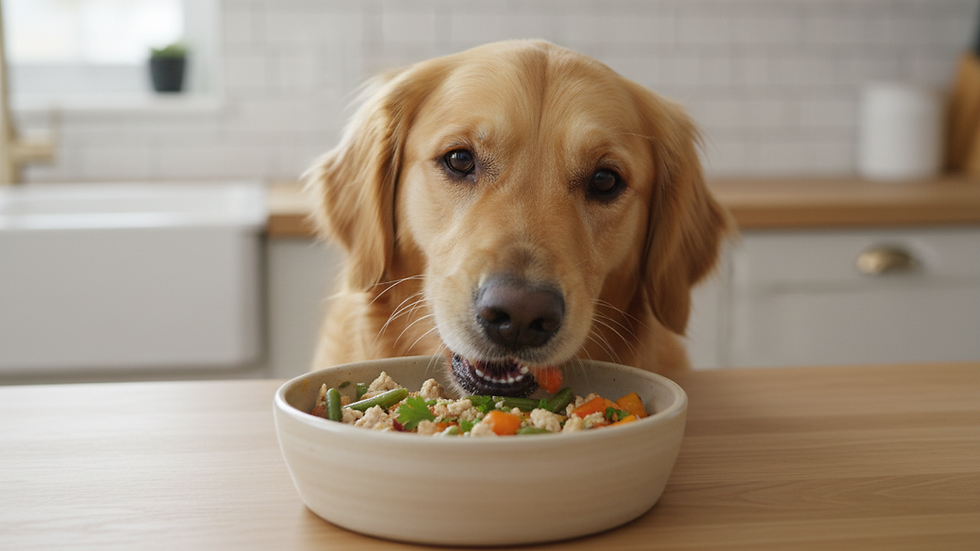
How to Make Homemade Dog Food Safely and Effectively
Making your own dog food can be rewarding and gives you full control over what your dog eats. But it’s important to do it safely to ensure your dog gets all the nutrients they need.
Here’s a simple guide to get you started:
Choose high-quality protein: Use lean meats like chicken, turkey, or fish. Cook thoroughly to avoid bacteria.
Add healthy carbohydrates: Include cooked brown rice, quinoa, or sweet potatoes.
Include vegetables: Carrots, green beans, and peas are great choices. Avoid onions and garlic.
Incorporate healthy fats: Add a small amount of fish oil or flaxseed oil.
Supplement vitamins and minerals: Talk to your vet about adding supplements like calcium or multivitamins.
Portion correctly: A general rule is about 2-3% of your dog’s body weight per day, divided into two meals.
Remember, every dog is different. Puppies, adults, and senior dogs have different nutritional needs. Dogs with health issues may require special diets. Always check with your vet before switching to homemade food.
By preparing meals yourself, you can avoid fillers and artificial ingredients often found in commercial dog food. You’ll also feel confident knowing exactly what your dog is eating.
Keeping Your Dog’s Diet Balanced Over Time
Planning a balanced diet is not a one-time task. Your dog’s needs change as they grow, age, and experience different health conditions. Staying attentive to these changes is part of responsible dog ownership.
Here are some ways to keep your dog’s diet balanced over time:
Regular vet check-ups: Discuss your dog’s diet and any health concerns.
Monitor weight and body condition: Adjust food portions if your dog gains or loses weight.
Rotate protein sources: This helps prevent allergies and keeps meals interesting.
Seasonal adjustments: Dogs may need more calories in winter or less in summer.
Watch for signs of food intolerance: Digestive upset, itching, or changes in coat quality can be clues.
By staying proactive, you can catch problems early and make changes before they affect your dog’s health.
If you want to dive deeper into creating a Balanced Dog Diet, there are many resources available that can guide you step-by-step.
Taking the First Step Toward Better Nutrition Today
Now that you understand the importance of a balanced diet and how to plan one, it’s time to take action. Start by reviewing what your dog currently eats. Are there any gaps or excesses? Could you add more fresh ingredients or reduce processed foods?
Try introducing one new healthy food at a time. Watch how your dog responds. Celebrate small wins like improved energy or a shinier coat.
Remember, you’re not alone on this journey. Many dog owners are learning and improving their pets’ diets every day. Your dog will thank you with their love and loyalty.
Feeding your dog well is one of the most powerful ways to protect their health and happiness. So why wait? Start planning a balanced diet for your dog today and watch them thrive.
Feeding your dog with care is a gift that lasts a lifetime. Your dog depends on you to make the best choices. With a little effort and knowledge, you can provide a diet that supports their health, happiness, and love for years to come.


Comments