
Selecting Natural Dog Food Made Easy: Your Natural Pet Food Guidance
- Joseph Wharram

- May 11
- 3 min read
Choosing the right food for your dog can feel overwhelming. There are so many options, so many labels, and so many claims. But when it comes to your furry friend’s health, you want to make the best choice possible. That’s why I’m here to help you navigate the world of natural dog food with simple, clear advice. Together, we’ll explore what natural dog food really means, why it matters, and how you can select the best options for your dog’s unique needs.
Why Natural Pet Food Guidance Matters for Your Dog’s Health
You might not realize it, but many commercial dog foods contain ingredients that can harm your dog over time. Artificial additives, fillers, and low-quality proteins can lead to allergies, digestive issues, and even chronic diseases. Natural dog food focuses on whole, minimally processed ingredients that support your dog’s well-being.
When you choose natural dog food, you’re giving your dog:
Better nutrition with real meat, vegetables, and grains
Fewer chemicals and artificial preservatives
Improved digestion and nutrient absorption
A stronger immune system and healthier coat
It’s important to understand that not all “natural” labels are created equal. Some products may claim to be natural but still include questionable ingredients. That’s why you need to look beyond the label and learn what to look for.

How to Identify Truly Natural Dog Food
Here’s where many dog owners get stuck. How do you know if a dog food is truly natural? Start by reading the ingredient list carefully. Look for:
Whole meats listed as the first ingredient (e.g., chicken, beef, lamb)
No by-products or fillers like corn, wheat, soy, or artificial colors
Natural preservatives such as vitamin E (mixed tocopherols) instead of synthetic ones
Simple ingredient lists without long chemical names
Avoid foods that use vague terms like “meat meal” or “animal digest.” These can be low-quality protein sources. Instead, choose foods that specify the exact meat source.
Another tip is to check for certifications or seals from reputable organizations that verify natural or organic standards. These can give you extra confidence in your choice.
What to Consider When Making Your Own Dog Food
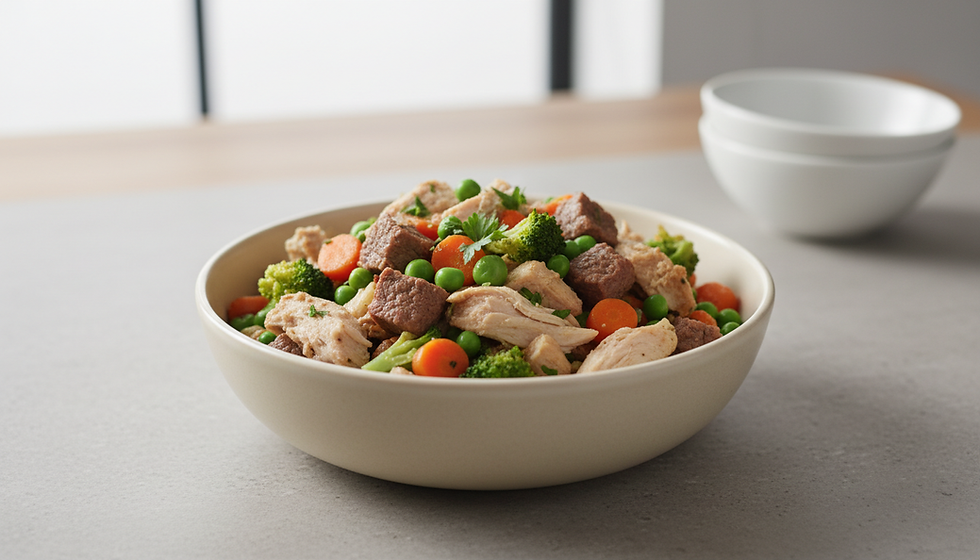
If you’re thinking about preparing homemade meals for your dog, that’s fantastic! It’s a great way to control exactly what your dog eats. But it’s important to do it right to ensure balanced nutrition.
Here are some key points to keep in mind:
Consult your vet or a pet nutritionist before starting homemade meals.
Include a balance of protein, fats, and carbohydrates. Dogs need all three for energy and health.
Add essential vitamins and minerals through supplements or natural sources.
Avoid toxic foods like onions, garlic, grapes, and chocolate.
Cook meats thoroughly to kill harmful bacteria but avoid overcooking which can reduce nutrients.
Remember, homemade dog food can be a wonderful way to nourish your dog, but it requires planning and knowledge. Don’t hesitate to seek professional advice.

Tips to Transition Your Dog to Natural Food Smoothly
Switching your dog’s diet can be tricky, especially if they are used to commercial kibble. Here’s how to make the transition easier:
Start slowly by mixing a small amount of natural food with their current food.
Gradually increase the natural food portion over 7-10 days.
Watch for any digestive upset like diarrhea or vomiting and slow down if needed.
Keep fresh water available at all times.
Be patient and consistent; some dogs take longer to adjust.
By taking these steps, you help your dog’s digestive system adapt without stress. This gentle approach also helps you see how your dog reacts to the new food.
Why You Should Act Now to Protect Your Dog’s Health
The truth is, many dog owners don’t realize the scale of the problem with low-quality dog food. Poor nutrition can lead to serious health issues that shorten your dog’s life and reduce their quality of life. But you have the power to change that.
By choosing natural dog food or making your own meals, you’re taking a big step toward protecting your dog’s health. You’re giving them the best chance to live a long, happy, and active life.
If you want to learn more about how to make the best choices for your dog, I encourage you to explore natural pet food guidance resources and talk to your vet. Your dog depends on you, and every small change you make counts.
I hope this guide has made selecting natural dog food easier for you. Remember, your dog’s health is worth the effort. Start today, and watch your furry friend thrive!


Comments