
Supporting Balanced Nutrition for Your Dog: A Guide to Balanced Dog Nutrition
- Joseph Wharram

- Jun 9
- 4 min read
When it comes to caring for your furry friend, nothing is more important than ensuring they get the right nutrition. Balanced dog nutrition is the foundation of a happy, healthy life for your dog. But did you know that many dog owners unknowingly fall short in providing the right balance of nutrients? I want to help you see the scale of this problem and empower you to take action. Together, we can make sure your dog thrives with every meal.
Why Balanced Dog Nutrition Matters
Balanced dog nutrition means providing your dog with the right mix of proteins, fats, carbohydrates, vitamins, and minerals. Dogs need these nutrients in the right amounts to support their energy, growth, immune system, and overall well-being. When nutrition is off, dogs can suffer from a range of issues like skin problems, digestive troubles, low energy, and even chronic diseases.
You might think feeding your dog commercial dog food is enough, but many products on the market lack the perfect balance or contain fillers and additives that don’t benefit your dog. It’s crucial to understand what your dog truly needs and how to meet those needs every day.
Here are some key reasons why balanced nutrition is essential:
Supports a strong immune system to fight off infections.
Maintains healthy skin and coat, reducing itching and shedding.
Promotes healthy digestion and nutrient absorption.
Keeps your dog’s weight in check, preventing obesity.
Boosts energy and vitality for play and exercise.
By focusing on balanced dog nutrition, you’re giving your dog the best chance at a long, joyful life.

How to Achieve Balanced Dog Nutrition at Home
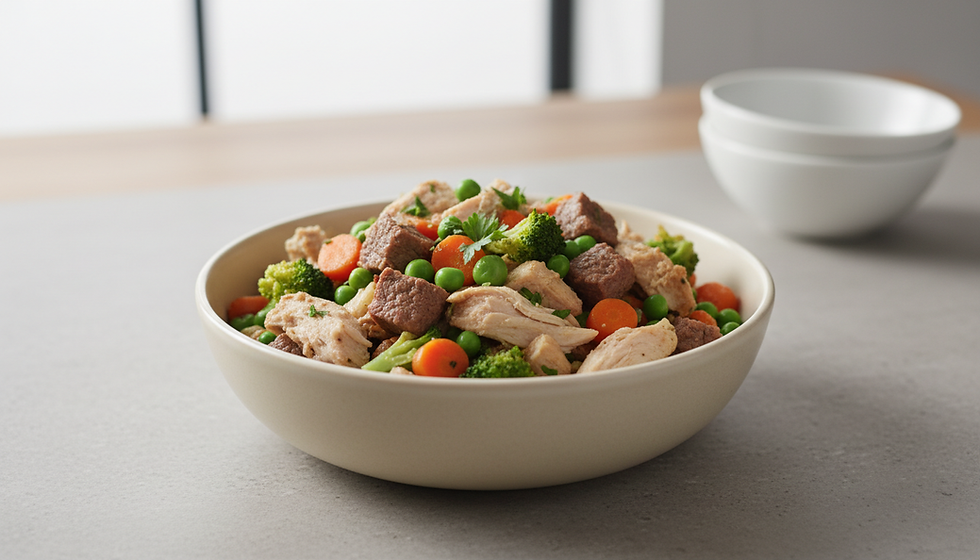
If you’re interested in making your own dog food, you’re not alone. Many dog owners want to take control of what their pets eat. The good news is, you can prepare meals that meet your dog’s nutritional needs with some planning and knowledge.
Here’s how to get started:
Understand your dog’s specific needs
Age, breed, size, and health conditions all affect what your dog needs. Puppies, adults, and senior dogs have different requirements. Consult your vet to get a clear picture.
Include all essential nutrients
Proteins: Chicken, beef, fish, eggs, and turkey are great sources.
Carbohydrates: Brown rice, sweet potatoes, and oats provide energy.
Fats: Healthy fats like fish oil and flaxseed oil support skin and brain health.
Vitamins and minerals: Vegetables like carrots, spinach, and pumpkin add important nutrients.
Avoid harmful ingredients
Some human foods are toxic to dogs, such as onions, garlic, grapes, and chocolate. Always double-check before adding anything new.
Balance portions carefully
Too much of one nutrient can cause problems. Use recipes designed by pet nutritionists or follow trusted guidelines.
Supplement when necessary
Sometimes, homemade meals need extra vitamins or minerals. Your vet can recommend supplements if needed.
By taking these steps, you can create meals that nourish your dog fully and safely.
What Dog Food Is Good for Atopic Dermatitis?
Atopic dermatitis is a common skin condition in dogs that causes itching, redness, and discomfort. Nutrition plays a big role in managing this condition. Certain foods can help reduce inflammation and support skin health.
Here’s what to look for in dog food if your dog has atopic dermatitis:
Limited ingredient diets: These reduce exposure to potential allergens.
Omega-3 fatty acids: Found in fish oil and flaxseed, these fats help calm inflammation.
Hypoallergenic proteins: Novel proteins like duck, venison, or rabbit can be less likely to trigger allergies.
Avoid common allergens: Wheat, soy, and corn are often linked to skin issues.
You might want to try a homemade diet focusing on these elements or look for commercial foods formulated for sensitive skin. Always work with your vet to monitor your dog’s response and adjust the diet as needed.

Spotting the Signs of Poor Nutrition in Your Dog
Sometimes, it’s hard to tell if your dog’s diet is lacking just by looking. But there are some clear signs that your dog might not be getting balanced nutrition:
Dull, dry, or flaky coat
Excessive shedding or hair loss
Itchy, red, or irritated skin
Low energy or lethargy
Digestive issues like diarrhea or constipation
Unexplained weight loss or gain
Frequent infections or slow healing wounds
If you notice any of these signs, it’s time to take a closer look at your dog’s diet. Don’t wait until problems become serious. Early action can prevent long-term health issues.
Taking Action: How You Can Support Your Dog’s Nutrition Today
Now that you understand the importance of balanced dog nutrition and how to recognize problems, it’s time to act. Here are some simple steps you can take right now:
Review your dog’s current food and ingredients list. Is it balanced? Does it contain fillers or allergens?
Talk to your vet about your dog’s specific nutritional needs and any health concerns.
Try adding fresh, whole foods to your dog’s meals, like cooked vegetables or lean meats.
Consider making homemade meals using trusted recipes and guidance.
Monitor your dog’s health and behavior closely after any diet changes.
Educate yourself continuously about dog nutrition by reading reliable sources and consulting professionals.
Remember, your dog depends on you for their health. By taking these steps, you’re showing love and commitment to their well-being.
For more detailed information on Dog Nutrition, check out trusted resources that can guide you further.
Your Dog’s Health Starts with You
Feeding your dog well is one of the most important things you can do as a pet owner. Balanced dog nutrition is not just about filling a bowl; it’s about providing the right fuel for a happy, healthy life. I encourage you to look closely at what your dog eats and make changes if needed. The difference you make today will be felt in your dog’s energy, mood, and longevity.
You have the power to protect your dog from hidden nutritional problems. Start small, stay consistent, and watch your dog thrive. Your furry friend will thank you with wagging tails and joyful eyes every day.


Comments