
Understanding Vet-Recommended Pet Food: What Every Dog Owner Should Know
- Joseph Wharram

- 2 minutes ago
- 5 min read
Feeding your dog is one of the most important things you do every day. But have you ever stopped to wonder if the food you’re giving your furry friend is truly the best choice? There’s a lot of information out there, and it can be confusing. That’s why I want to talk about something that can make a real difference in your dog’s health: vet-recommended pet food.
When you choose the right food, you’re not just filling a bowl. You’re supporting your dog’s energy, immune system, coat, and overall happiness. Let’s explore what makes vet-recommended pet food special, why it matters, and how you can make the best choices for your dog.
Why Vet-Recommended Pet Food Matters More Than You Think
You might think all dog foods are created equal, but that’s far from the truth. Many commercial dog foods are made with fillers, artificial ingredients, or low-quality proteins that don’t provide the nutrition your dog really needs. This can lead to health problems like allergies, digestive issues, or even chronic diseases over time.
Vet-recommended pet food is different because it’s formulated with your dog’s health in mind. Veterinarians understand the nutritional needs of dogs at every life stage and with different health conditions. When they recommend certain foods, it’s because those foods meet strict standards for quality and nutrition.
Choosing vet-recommended pet food means you’re giving your dog a diet that supports:
Healthy digestion
Strong immune function
Shiny coat and healthy skin
Proper weight management
Long-term vitality and wellness
This is not just about feeding your dog; it’s about protecting their future.

How to Identify Vet-Recommended Pet Food on the Label
It’s one thing to hear about vet-recommended pet food, but how do you spot it in the store or online? Here are some practical tips to help you make informed choices:
Look for Veterinary Endorsements
Some brands clearly state that their products are recommended or formulated by veterinarians. This is a good sign, but always dig deeper.
Check the Ingredient List
The first ingredient should be a named protein source like chicken, beef, or fish. Avoid foods with vague terms like “meat by-products” or “animal digest.”
Avoid Artificial Additives
Skip foods with artificial colors, flavors, or preservatives. Natural ingredients are always better.
Look for Balanced Nutrition
The food should meet the AAFCO (Association of American Feed Control Officials) standards for complete and balanced nutrition.
Consider Your Dog’s Specific Needs
Puppies, seniors, and dogs with health issues like allergies or kidney problems need special formulas. Vet-recommended foods often have options tailored to these needs.
By paying attention to these details, you can feel confident that you’re choosing a food that supports your dog’s health.
What Dog Food Do Vets Actually Recommend?
You might be wondering, “What dog food do vets actually recommend?” The answer isn’t one-size-fits-all. Vets recommend foods based on your dog’s age, breed, health status, and lifestyle. However, there are some common themes:
High-Quality Protein: Vets look for foods with real meat or fish as the main ingredient. Protein is essential for muscle maintenance and energy.
Limited Fillers: Foods low in corn, wheat, and soy are often preferred because these ingredients can cause allergies or digestive upset.
Added Nutrients: Omega-3 fatty acids for skin and coat health, antioxidants for immune support, and fiber for digestion are all important.
Special Formulas: For dogs with allergies, kidney disease, or weight issues, vets recommend prescription or therapeutic diets designed to manage these conditions.
If you want to see examples of vet-recommended pet food, ask your veterinarian for their suggestions. They can guide you to options that fit your dog’s unique needs.

How to Transition Your Dog to Vet-Recommended Food Smoothly
Switching your dog’s food can be tricky, especially if they’re used to a certain brand or flavor. A sudden change can cause stomach upset or refusal to eat. Here’s how to make the transition easier:
Go Slow
Mix a small amount of the new food with the old food. Gradually increase the new food over 7-10 days.
Watch for Reactions
Keep an eye on your dog’s stool, energy levels, and appetite. If you notice diarrhea, vomiting, or lethargy, slow down the transition or consult your vet.
Stay Consistent
Once your dog adjusts, stick with the new food. Frequent changes can upset their digestive system.
Add Tasty Extras
If your dog is hesitant, try warming the food slightly or adding a small amount of low-sodium broth to make it more appealing.
Remember, patience is key. Your dog’s health is worth the effort.
Making Your Own Dog Food: Is It a Good Idea?
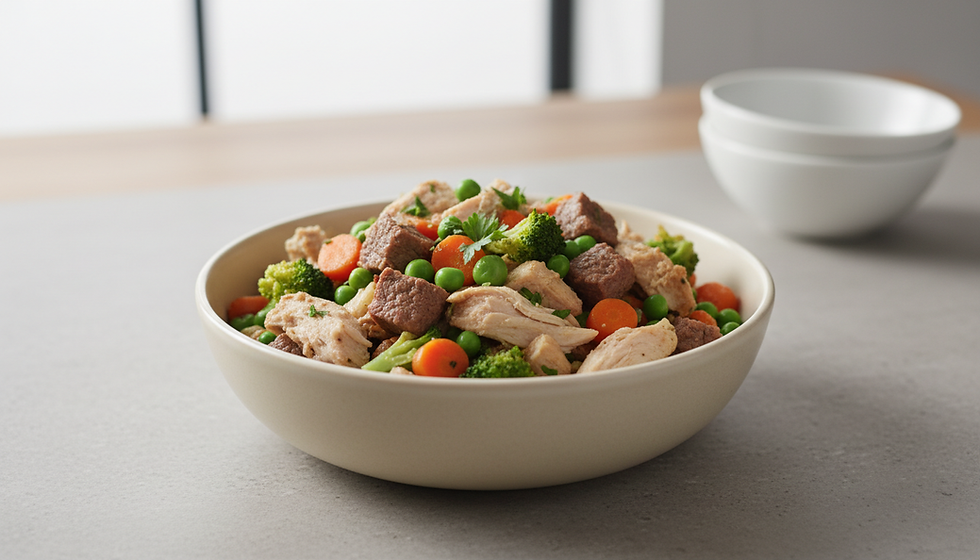
Many dog owners want to take control of their pet’s nutrition by making homemade meals. This can be a wonderful way to ensure quality ingredients and avoid additives. But it’s important to do it right.
Homemade dog food must be balanced and complete. Dogs need the right mix of protein, fats, carbohydrates, vitamins, and minerals. Without proper guidance, homemade diets can lead to nutritional deficiencies.
If you’re interested in making your own dog food:
Consult Your Vet or a Canine Nutritionist
They can help you create recipes that meet your dog’s needs.
Use Trusted Recipes
Follow recipes that have been tested and approved by professionals.
Include Variety
Rotate proteins and vegetables to provide a broad range of nutrients.
Avoid Toxic Foods
Never feed your dog onions, garlic, chocolate, grapes, or anything toxic to dogs.
Homemade food can be a great option, but it requires commitment and knowledge.
Taking Action: Protect Your Dog’s Health Today
Now that you understand the importance of vet-recommended pet food, it’s time to take action. Your dog depends on you to make the best choices for their health and happiness. Here’s what you can do right now:
Review Your Dog’s Current Food
Check the label and ingredients. Does it meet the standards we talked about?
Talk to Your Vet
Ask for recommendations tailored to your dog’s age, breed, and health.
Try Vet-Approved Dog Food
Switching to a vet-approved option can make a big difference. You can learn more about it here.
Monitor Your Dog’s Health
Keep track of their energy, coat condition, and digestion. Good food shows results.
Educate Yourself
Stay informed about dog nutrition. The more you know, the better you can care for your furry friend.
Your dog’s well-being is in your hands. By choosing the right food, you’re giving them the gift of a longer, healthier life.
Feeding your dog well is one of the most loving things you can do. With vet-recommended pet food, you’re not just filling a bowl - you’re nourishing a loyal companion who brings joy every day. Take the first step today and see the difference it makes. Your dog will thank you with every wag of their tail.


Comments