
Crafting a Balanced Diet for Your Dog
- Joseph Wharram

- Sep 15, 2025
- 4 min read
Feeding your dog well is one of the most loving things you can do. But it’s not always easy to know what makes a truly balanced meal for your furry friend. You want to give them the best, but the world of dog nutrition can feel overwhelming. I’m here to help you understand how to craft balanced canine meals that keep your dog happy, healthy, and full of energy. Together, we’ll explore what a balanced diet really means, why it matters, and how you can start making better food choices for your dog today.
Why Balanced Canine Meals Matter More Than You Think
You might think your dog’s food is fine as long as they eat it and seem okay. But the truth is, many dogs suffer from hidden nutritional imbalances that can affect their health in the long run. Just like us, dogs need a variety of nutrients to thrive. When their diet lacks essential vitamins, minerals, proteins, or fats, it can lead to problems like weak immunity, dull coats, digestive issues, and even serious diseases.
By focusing on balanced canine meals, you’re not just feeding your dog—you’re protecting their future. You’re giving them the tools to live a longer, happier life. And the best part? You don’t have to be a nutrition expert to do this. With a little guidance and care, you can make meals that meet your dog’s needs perfectly.
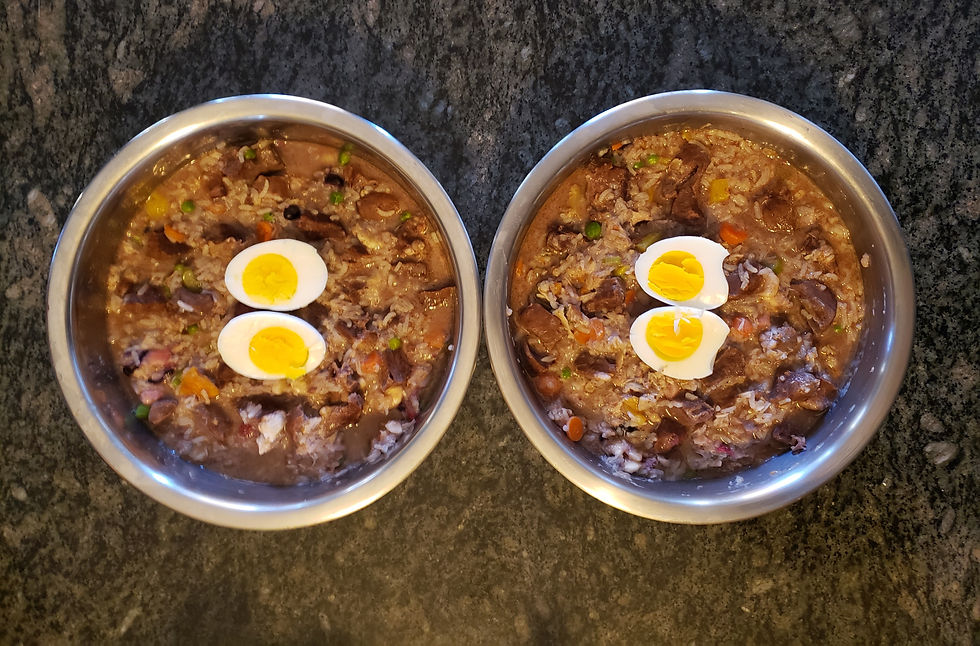
What Does a Balanced Canine Meal Look Like?
To start you need to understand how many calories your dog needs. Once easily calculated, for a balanced meal the ingredients must include the right mix of proteins, fats, carbohydrates, vitamins, minerals and water. Here’s a simple breakdown:
Proteins: These are the building blocks for muscles, skin, and organs. Good sources include chicken, beef, fish, and eggs.
Fats: Essential for energy and healthy skin. Look for omega-3 and omega-6 fatty acids found in fish oil and flaxseed.
Carbohydrates: Provide energy and fiber. Brown rice, sweet potatoes, and oats are great options.
Vitamins and Minerals: Support overall health, immune function, and bone strength. Vegetables like carrots, spinach, and pumpkin are rich in these nutrients.
Water: this is a critical factor and can vary significantly dependent on the type of diet you propose.
When you combine these elements in the right proportions, you create a meal that supports every part of your dog’s body. Remember, dogs are not just small humans—they have unique dietary needs that must be respected.
Tips for Crafting Balanced Meals at Home
Start with high-quality protein: Make it the main ingredient.
Add healthy fats: Include a small amount of fish oil or flaxseed oil.
Include complex carbs: Avoid fillers like corn, soy or wheat; choose whole grains or veggies.
Mix in fresh vegetables and fruit. They add fiber and nutrients.
Avoid harmful and dangerous ingredients. We all know no chocolate, onions, garlic, or artificial additives, but the list of these is extensive so make sure you understand all the ingredients to avoid as well as the ones that can be dangerous.
If you want to dive deeper, check out this Balanced Dog Diet resource for expert advice and recipes.

Common Mistakes to Avoid When Feeding Your Dog
Even with the best intentions, it’s easy to make mistakes that can harm your dog’s health. Here are some pitfalls to watch out for:
Relying on "Kibble" or Canned dog food: Many brands use low-quality ingredients and fillers that don’t provide balanced nutrition. Even the best brands can incorporate listed ingredients like colorings, emulsifiers and preservatives, as well as "ghost" ingredients not listed.
Feeding table scraps: Human food can be too salty, fatty, or toxic for dogs.
Ignoring portion control: Overfeeding and/or incorrect ingredient mix leads to obesity, which causes many health problems.
Skipping variety: Dogs need different nutrients from various sources, not just one type of food, especially the primary ingredient protein.
Not consulting a vet: Always check with your vet before making major diet changes.
By avoiding these errors, you’ll be well on your way to providing meals that truly nourish your dog.
How to Transition Your Dog to Balanced Canine Meals
Changing your dog’s diet can be tricky, especially if they’re used to a certain type of food. Here’s a gentle way to make the switch:
Introduce new food gradually: Mix a small amount of the new meal with their current food.
Increase the new food slowly: Over 7-10 days, increase the new food portion while decreasing the old.
Watch for reactions: Keep an eye on digestion, energy levels, and coat condition. Be prepared to make adjustments.
Stay consistent: Once fully switched, stick to the new balanced meals.
Be patient: Some dogs take time to adjust to new tastes and textures, Likewise, their digestive systems to a different balance of digestive bacteria.
This approach helps avoid upset stomachs and digestive systems making the transition smoother for both of you.

Taking Action: Protect Your Dog’s Health Today
Now that you know the importance of balanced canine meals, it’s time to act. Your dog depends on you to make smart food choices. Start by evaluating what you currently feed them. Are you confident it meets all their nutritional needs? If not, consider making changes.
Research ingredients: Learn what’s good and what to avoid.
Try validated homemade recipes: Use fresh, whole foods to create meals.
Consult professionals: Talk to your vet or a pet nutritionist.
Monitor your dog’s health: Look for signs of improvement or issues.
Remember, every small step you take toward better nutrition is a big step toward a healthier, happier dog. You have the power to make a difference in their life. Don’t wait until problems arise—start crafting balanced canine meals today and see the positive changes for yourself.
Feeding your dog well is a journey, but it’s one filled with love and care. By focusing on balanced nutrition, you’re giving your dog the best gift possible: a strong, vibrant life by your side. Let’s make every meal count!


Comments