
Dog Health Essentials: Canine Health Tips for Your Happy Pet
- Joseph Wharram

- May 4
- 5 min read
Taking care of your dog’s health is one of the most rewarding things you can do. When your furry friend is healthy, happy, and full of energy, it lights up your life. But sometimes, the challenges of keeping your dog in top shape can feel overwhelming. I’m here to help you understand the essentials of dog health and share practical tips that you can start using today. Together, we can protect your dog from hidden dangers and ensure they live a joyful, vibrant life.
Understanding Dog Health Essentials
Your dog’s health depends on many factors, from nutrition to exercise to regular vet visits. It’s easy to overlook some of these, but each plays a crucial role. For example, did you know that poor diet can lead to serious health problems like obesity, diabetes, or joint issues? Or that lack of mental stimulation can cause anxiety and destructive behavior?
Here are some key dog health essentials to keep in mind:
Balanced Nutrition: Feeding your dog the right food is the foundation of good health. This means high-quality ingredients, the right balance of protein, fats, and carbohydrates, and avoiding harmful additives.
Regular Exercise: Dogs need daily physical activity to stay fit and happy. The amount and type depend on your dog’s breed, age, and health.
Routine Vet Care: Regular check-ups help catch problems early. Vaccinations, dental care, and parasite prevention are all part of this.
Mental Stimulation: Puzzle toys, training sessions, and social interaction keep your dog’s mind sharp.
Safe Environment: Your home and yard should be free of hazards like toxic plants, sharp objects, or dangerous chemicals.
By focusing on these essentials, you can prevent many common health issues and give your dog the best chance at a long, happy life.

Nutrition: The Cornerstone of Dog Health Essentials
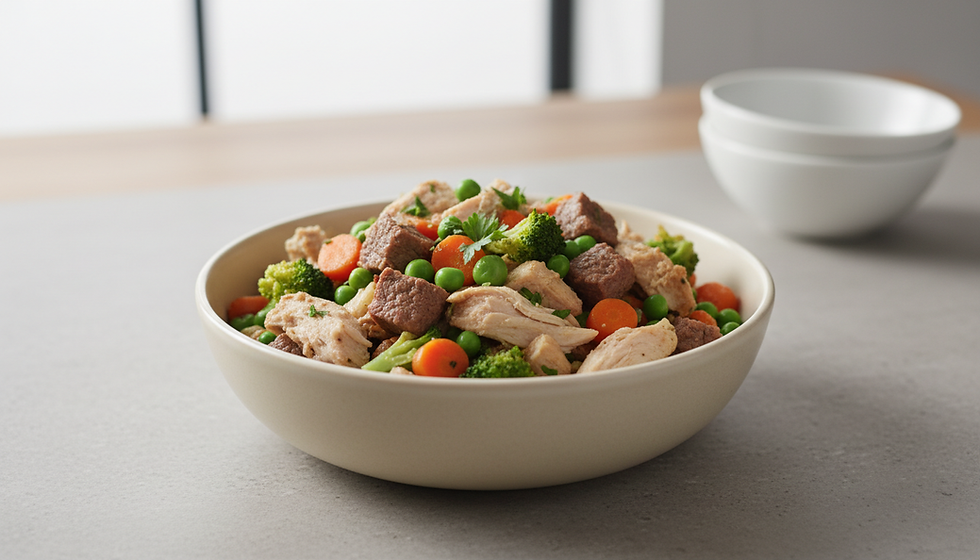
Feeding your dog well is one of the most powerful ways to support their health. Many dog owners don’t realize how much diet affects everything from energy levels to coat condition to immune function. If you’re interested in making your own dog food, that’s fantastic! Homemade meals can be tailored to your dog’s specific needs, but it’s important to do it right.
Here are some tips for dog nutrition:
Consult Your Vet: Before changing your dog’s diet, talk to your vet or a canine nutritionist. They can help you create a balanced meal plan.
Include Protein: Dogs need good-quality protein from sources like chicken, beef, fish, or eggs. Protein supports muscle health and energy.
Add Vegetables and Fruits: Many veggies like carrots, green beans, and pumpkin are great for dogs. Fruits like blueberries and apples (without seeds) provide antioxidants.
Avoid Harmful Foods: Never feed your dog chocolate, grapes, onions, garlic, or anything with artificial sweeteners like xylitol.
Watch Portion Sizes: Overfeeding leads to obesity, which can cause joint problems and shorten your dog’s life.
Supplement Wisely: Sometimes, supplements like fish oil or glucosamine can help, but only use them under vet guidance.
Remember, every dog is unique. What works for one might not work for another. Keep an eye on your dog’s weight, energy, and coat condition to see how they respond to their diet.

Exercise and Mental Stimulation: Vital for a Happy Dog
Exercise is not just about burning energy. It’s about keeping your dog’s body strong and their mind engaged. Dogs that don’t get enough exercise can develop behavioral problems like chewing, barking, or anxiety. Mental stimulation is just as important as physical activity.
Here’s how you can help your dog stay active and mentally sharp:
Daily Walks: Aim for at least 30 minutes to an hour, depending on your dog’s breed and age. Walks provide exercise and new smells to explore.
Playtime: Games like fetch, tug-of-war, or hide-and-seek are fun and great exercise.
Training Sessions: Teaching new commands or tricks challenges your dog’s brain and strengthens your bond.
Puzzle Toys: These toys make your dog work for treats and keep their mind busy.
Socialization: Visits to dog parks or playdates with other dogs help with social skills and reduce loneliness.
If your dog is older or has health issues, adjust the intensity and duration of exercise accordingly. Even gentle walks and light play can make a big difference.
Recognizing Hidden Health Risks
Many dog owners don’t realize the scale of hidden health risks their pets face every day. From parasites to toxins to silent diseases, these dangers can sneak up on you. That’s why vigilance and education are so important.
Some common hidden risks include:
Parasites: Fleas, ticks, and worms can cause serious problems. Use vet-recommended preventatives year-round.
Toxic Plants and Foods: Household plants like lilies or azaleas and common foods like chocolate can be deadly.
Dental Disease: Poor dental hygiene leads to pain, infection, and even heart problems.
Obesity: Excess weight stresses joints and organs, reducing lifespan.
Silent Illnesses: Conditions like kidney disease or diabetes may show subtle signs at first.
To protect your dog, watch for changes in behavior, appetite, or bathroom habits. Regular vet visits and preventive care are your best defense.
Creating a Safe and Loving Home Environment
Your dog’s environment plays a huge role in their health and happiness. A safe, loving home reduces stress and prevents accidents. Here are some ways to create the best space for your dog:
Remove Hazards: Keep cleaning products, medications, and small objects out of reach.
Provide Comfortable Resting Areas: Soft beds in quiet spots help your dog relax.
Maintain Cleanliness: Regularly wash bedding and toys to prevent infections.
Control Temperature: Make sure your dog isn’t too hot or cold, especially in extreme weather.
Offer Fresh Water: Always have clean water available.
By making your home a safe haven, you’re showing your dog how much you care.
Taking the First Step Toward Better Canine Health
Now that you know the essentials, it’s time to take action. Start small if you need to. Maybe it’s switching to a better diet, adding a daily walk, or scheduling a vet check-up. Every positive change counts.
If you want to dive deeper into Canine Health, there are many resources available to guide you. Remember, your dog depends on you to keep them healthy and happy. The more you learn, the better you can protect them from unseen dangers.
Your dog’s health is a journey, not a destination. With love, attention, and care, you can give your furry friend the best life possible. Let’s make every day a happy, healthy day for your dog!
Thank you for reading! I hope these tips inspire you to take the best possible care of your beloved pet. Your dog will thank you with wagging tails and endless affection.


Comments