
Understanding the Essentials of Dog Nutrition
- Joseph Wharram

- Sep 3, 2025
- 5 min read
When it comes to caring for your dog, one of the most important things you can do is ensure they get the right nutrition. You might think feeding your dog is simple - just give them food, right? But the truth is, understanding what your dog really needs to thrive can be a bit more complex. I want to help you see why paying attention to your dog's diet is so crucial and how you can make smart choices that protect their health and happiness.
Feeding your dog well is not just about filling their bowl. It’s about giving them the fuel they need to live a long, energetic, and joyful life. Let’s explore some essential dog diet tips that will empower you to take charge of your dog’s nutrition with confidence.
Why Essential Dog Diet Tips Matter More Than You Think
You might not realize it, but many dogs suffer from poor nutrition without their owners even knowing. This can lead to problems like obesity, allergies, digestive issues, and even chronic diseases. When you understand the essentials of a balanced diet, you can prevent these issues before they start.
Here are some key reasons why focusing on your dog’s diet is so important:
Energy and Vitality: Dogs need the right balance of nutrients to stay active and playful.
Healthy Weight: Proper nutrition helps maintain a healthy weight, reducing the risk of joint problems and heart disease.
Strong Immune System: A well-fed dog is better equipped to fight off infections and illnesses.
Shiny Coat and Healthy Skin: Nutrients like omega fatty acids keep your dog’s coat glossy and skin healthy.
Longevity: Good nutrition can add years to your dog’s life.
By following essential dog diet tips, you’re not just feeding your dog - you’re investing in their future.

How to Recognize Your Dog’s Nutritional Needs
Every dog is unique. Their nutritional needs depend on factors like age, breed, size, activity level, and health conditions. Understanding these needs is the first step to providing the best diet possible.
Age and Life Stage
Puppies need more protein and calories to support growth.
Adult dogs require balanced nutrition to maintain health.
Senior dogs may need fewer calories but more fiber and joint-supporting nutrients.
Activity Level
Active dogs burn more calories and may need extra protein and fat.
Less active or indoor dogs require fewer calories to avoid weight gain.
Health Conditions
Dogs with allergies might need special diets.
Dogs with kidney or liver issues require tailored nutrition.
Breed and Size
Large breeds have different calcium and phosphorus needs than small breeds.
Some breeds are prone to specific health issues that diet can help manage.
By paying attention to these factors, you can tailor your dog’s diet to fit their lifestyle perfectly.
What is the Healthiest Food to Feed a Dog?
Choosing the healthiest food for your dog can feel overwhelming with so many options available. But it boils down to one simple rule: look for balanced, high-quality ingredients that meet your dog’s specific needs.
Types of Dog Food
Commercial Dry Food (Kibble): Convenient and often balanced, but quality varies widely and has questionable ingredients.
Wet Food: More moisture, often more palatable, but can be pricier.
Raw Diets: Mimic a dog’s natural diet but require careful preparation to avoid risks.
Homemade Meals: Allow full control over ingredients but need expert guidance to ensure balance.
What to Look For on Labels
Protein Source: Look for named meats like chicken, beef, or fish as the first ingredient, avoiding no skeletal meat versions.
Avoid Fillers: Stay away from foods with excessive corn, wheat, or soy.
Balanced Nutrients: Ensure the food meets AAFCO standards for complete nutrition.
No Artificial Additives: Avoid foods with artificial colors, flavors, or preservatives.
Tips for Feeding
Introduce new foods gradually to avoid digestive upset.
Measure portions to prevent overfeeding.
Provide fresh water at all times.
Remember, the healthiest food is one that suits your dog’s individual needs and keeps them happy and healthy.
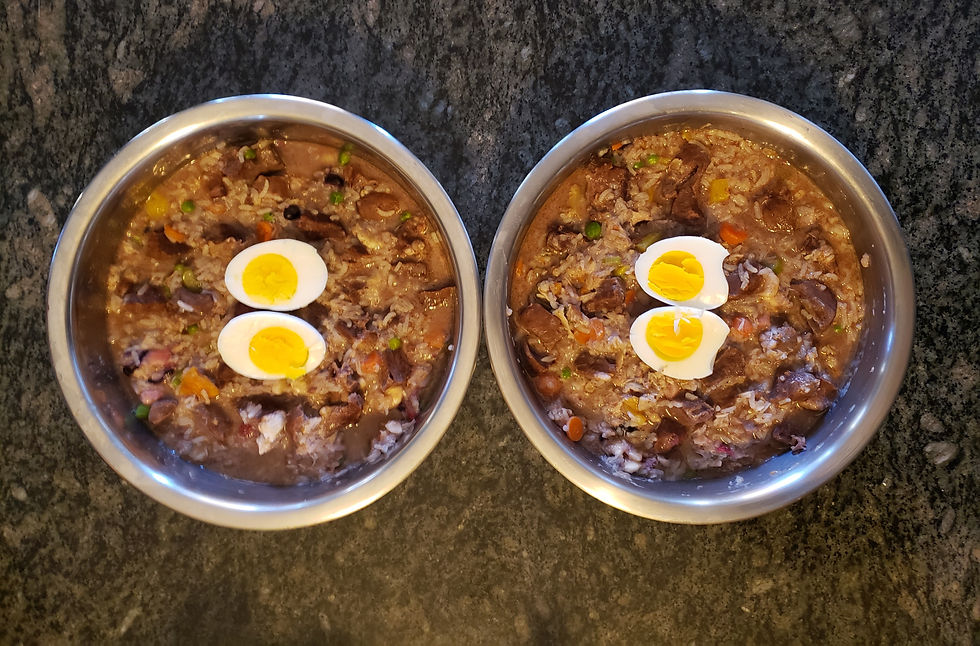
How to Make Your Own Dog Food Safely
If you’re interested in making your own dog food, that’s fantastic! It’s a wonderful way to control exactly what your dog eats. But it’s important to do it right to avoid nutritional gaps.
Basic Guidelines for Homemade Dog Food
Include Protein: Skeletal meat - Chicken, turkey, beef, or fish are great sources.
Add Carbohydrates: Brown rice, sweet potatoes, or oats provide energy.
Incorporate Vegetables: Carrots, peas, and green beans add fiber and vitamins.
Don’t Forget Fats: Healthy oils like fish oil or flaxseed oil support skin and coat.
Supplement as Needed: Calcium and other vitamins might be necessary.
Consult a Vet or Nutritionist
Before switching to homemade meals, talk to your vet or a pet nutrition expert. They can help you create a balanced recipe tailored to your dog’s needs.
Avoid Toxic Foods
Never feed your dog onions, garlic, chocolate, grapes, raisins, or anything with xylitol. These can be very harmful.
Making your own dog food can be rewarding and healthy when done with care.
Spotting the Signs of Poor Nutrition in Your Dog
It’s not always obvious when your dog’s diet isn’t meeting their needs. But there are signs you can watch for that indicate it’s time to reassess their food.
Common Warning Signs
Dull or flaky coat
Excessive shedding
Weight gain or loss
Low energy or lethargy
Digestive problems like diarrhea or constipation
Bad breath or dental issues
Frequent infections or slow healing
If you notice any of these, it’s a good idea to review your dog’s diet and consult your vet.
Taking Action
Keep a food diary to track what your dog eats and how they respond.
Schedule regular vet check-ups to monitor health.
Adjust diet based on your dog’s changing needs.
By staying alert and proactive, you can catch problems early and keep your dog thriving.

Taking the Next Step in Your Dog’s Nutrition Journey
Now that you understand the essentials of dog nutrition and have some practical tips, it’s time to take action. Your dog depends on you to make informed choices that protect their health and happiness.
I encourage you to:
Review your dog’s current diet and identify areas for improvement.
Explore high-quality food options or consider making your own meals.
Consult professionals when needed to ensure balanced nutrition.
Watch for signs of nutritional issues and respond quickly.
Remember, every small step you take makes a big difference in your dog’s life. For more detailed guidance and resources, check out this helpful Dog Nutrition resource.
Your dog will thank you with wagging tails, boundless energy, and years of companionship. Let’s give them the best nutrition possible - because they deserve it.
Thank you for joining me on this journey to better understand your dog’s diet. Together, we can make sure our furry friends live their happiest, healthiest lives.


Comments