
Why Your Dog Needs a Balanced Diet for Dogs
- Joseph Wharram

- Feb 4
- 5 min read
When it comes to caring for your furry friend, nothing is more important than what you feed them. You might think that any dog food will do, but the truth is, your dog needs a balanced diet for dogs to thrive. Just like us, dogs require a mix of nutrients formulated together to achieve a balanced meal to stay healthy, happy, and full of energy. If you’ve ever wondered why your dog’s coat isn’t as shiny, or why they seem less playful, the answer might lie in their diet.
Feeding your dog a balanced diet is not just about filling their bowl. It’s about giving them the right fuel to support their body, mind, and immune system. In this post, I’ll walk you through why a balanced diet is essential, what it looks like, and how you can make sure your dog is getting everything they need. Let’s dive in and discover how you can protect your dog’s health with the power of good nutrition.
What Does a Balanced Diet for Dogs Really Mean?
A balanced diet for dogs means providing the right amounts of proteins, fats, carbohydrates, vitamins, and minerals. Each of these nutrients plays a vital role in your dog’s well-being.
Proteins help build and repair muscles and tissues.
Fats provide energy and support healthy skin and coat.
Carbohydrates give your dog fuel for daily activities.
Vitamins and minerals keep their immune system strong and support overall health.
Without the right balance, your dog might suffer from problems like weight gain, allergies, digestive issues, or even chronic diseases. It’s easy to overlook this because many commercial dog foods claim to be “complete,” but not all are created equal. Some might lack essential nutrients or contain fillers that don’t benefit your dog.
If you want to see your dog wagging their tail with joy and full of life, it’s time to take a closer look at what’s in their bowl.

Why You Should Care About a Balanced Diet for Dogs
You might be thinking, “My dog seems fine with their current food.” But the truth is, many health issues develop slowly and silently. Poor nutrition can lead to:
Obesity - which increases the risk of diabetes and joint problems.
Skin and coat problems - dull fur, itching, and infections.
Digestive troubles - diarrhea, constipation, or bloating.
Weakened immune system - making your dog more prone to infections.
Behavioral changes - lethargy, irritability, or anxiety.
I’ve seen many dog owners surprised when they learn that switching to a balanced diet improved their dog’s health dramatically. It’s not just about avoiding illness; it’s about enhancing your dog’s quality of life. When your dog eats well, they have more energy, better mood, and a longer lifespan.
Taking the time to understand and provide a balanced diet is one of the best gifts you can give your dog. It’s a simple step that makes a huge difference.
How to Recognize If Your Dog’s Diet Is Unbalanced
Sometimes, it’s hard to tell if your dog’s diet is missing something. Here are some signs to watch for:
Weight fluctuations - sudden gain or loss.
Lack of energy - less interest in play or walks.
Poor coat condition - dry, flaky skin or excessive shedding.
Digestive issues - frequent vomiting or diarrhea.
Bad breath or dental problems.
Frequent infections or slow healing wounds.
If you notice any of these, it’s time to review your dog’s diet. Don’t wait for serious health problems to appear. Early action can prevent many issues.
One practical tip is to keep a food diary for your dog. Note what they eat, how much, and any changes in their behavior or health. This can help you and your vet identify nutritional gaps.
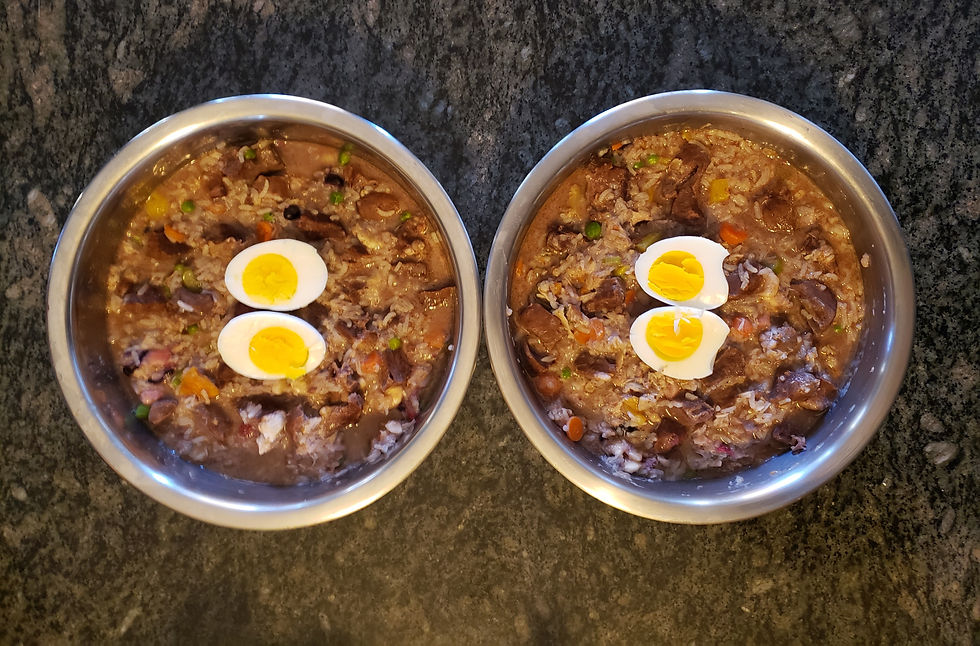
How to Create a Balanced Diet for Your Dog at Home
Making your own dog food might seem intimidating, but it’s easier than you think. Plus, it gives you full control over what your dog eats. Here’s a simple guide to get started:
Choose high-quality protein - Organ meats , chicken, beef, turkey, or fish. Protein should make up about at least 55% , ideally 75% or more of the meal.
Add healthy carbohydrates - brown rice, sweet potatoes, or oats. These provide energy (15-20%).
Include vegetables - carrots, green beans, peas, or spinach. They add vitamins and minerals (5-10%).
Fiber (5%)
Incorporate healthy fats - fish oil or flaxseed oil support skin and coat health (5%).
Don’t forget natural supplements - calcium in the form of ground egg shells and other minerals are essential. Consult your vet for the right amounts.
Remember, dogs have different needs based on their age, size, and activity level. Puppies, adults, and senior dogs all require different nutrient ratios. It’s a good idea to work with a vet or a pet nutritionist to tailor the diet specifically for your dog.
Also, avoid chemically produced ingredients as well as those that are not recommended, should be avoided and of course toxic ingredients. Not sure which is which consult comprehensive, validated reference materials and publications
Tips to Transition Your Dog to a Balanced Diet
Switching your dog’s diet suddenly can upset their stomach. Here’s how to make the change smoothly:
Start slowly - mix a small amount of the new food with their current food.
Gradually increase the new food over 7-10 days.
Watch for reactions - diarrhea, vomiting, or allergies.
Keep fresh water available at all times.
Be patient - some dogs take time to adjust to new flavors and textures.
By taking these steps, you’ll help your dog enjoy their new meals without stress.
Why I Recommend Checking Out a Balanced Dog Diet
If you want to dive deeper into dog nutrition, I highly recommend exploring resources like the Balanced Dog Diet. It offers detailed guides, recipes, and expert advice to help you provide the best for your dog. Learning more about balanced nutrition empowers you to make informed choices and see the difference in your dog’s health.
Feeding your dog well is a journey, and having trusted information makes it easier and more rewarding.
Your Dog Deserves the Best - Start Today!
Your dog depends on you for their health and happiness. By choosing to feed them a balanced diet, you’re giving them the best chance at a long, joyful life. It’s never too late to start making better food choices.
Take a moment today to review what your dog is eating. Look for ways to improve their meals. Whether you switch to a high-quality commercial food or start making homemade meals, every step counts.
Remember, a healthy dog is a happy dog. And a happy dog means a happy you.
Give your dog the gift of good nutrition. They’ll thank you with every wag of their tail.
Thank you for reading! If you found this helpful, share it with other dog lovers who want to make a positive change for their pets.


Comments